


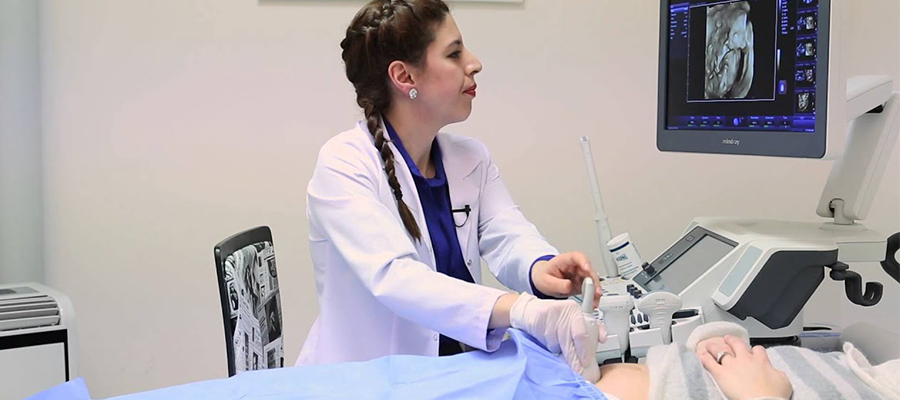
What Is a 4D Ultrasound?
A 4D ultrasound is an advanced imaging technique that shows real-time, moving images of the baby inside the womb. Unlike traditional 2D scans that provide flat, gray images, 4D technology allows parents and doctors to see detailed movements such as facial expressions, hand gestures, or yawning. The fourth dimension refers to time, adding motion to 3D images. This method not only enhances bonding experiences for families but also helps doctors observe fetal development more clearly. It can detect physical features, monitor growth, and identify certain abnormalities before birth.
Ultrasound in Turkey
4d Ultrasound in Turkey are a standard part of prenatal care and general medical diagnostics. Modern hospitals and clinics across the country use high-resolution ultrasound devices for pregnancy monitoring, organ evaluation, and vascular imaging. Skilled radiologists and obstetricians perform these procedures to ensure accurate and safe results. 4D ultrasound technology is widely available, providing parents with clear, detailed views of their baby during pregnancy. The country’s healthcare system offers advanced imaging standards, making ultrasound one of the most trusted diagnostic methods for both local and international patients.
What Is the Difference Between 3D and 4D Ultrasound?
The main difference between 3D and 4D ultrasound lies in movement. A 3D ultrasound creates still, three-dimensional images of the baby, showing detailed facial and body features. In contrast, a 4D ultrasound adds the element of time, capturing live, moving images that display real-time activity. This makes it possible to observe movements like blinking, smiling, or stretching. Both techniques provide valuable information about fetal anatomy, but 4D imaging enhances the emotional connection for parents while offering doctors dynamic visualization for medical evaluation.
When Should You Get a 4D Ultrasound?
The best time for a 4D ultrasound is usually between the 24th and 32nd weeks of pregnancy. At this stage, the baby’s facial features are developed, and there is still enough amniotic fluid for clear imaging. Before 24 weeks, the baby is too small to capture detailed visuals, while after 32 weeks, reduced space in the womb can make movements harder to see. However, the ideal timing may vary depending on the baby’s position and maternal health. Scheduling within this window provides the best balance between detail and visibility.
Benefits of 4D Ultrasound
A 4D ultrasound offers both medical and emotional benefits. It allows doctors to closely examine fetal anatomy, detect potential structural abnormalities, and monitor healthy development. For parents, it provides a deeply personal experience by showing the baby’s movements and expressions in real time. The scan also strengthens the connection between mother and child before birth. From a medical standpoint, it assists in evaluating the placenta, umbilical cord, and fetal position. Because it provides instant visual feedback, 4D ultrasound has become a preferred tool for both reassurance and diagnostic accuracy in prenatal care.
Is 4D Ultrasound Safe for the Baby?
4D ultrasound is considered completely safe when performed by trained professionals. It uses sound waves instead of radiation, just like standard ultrasound methods. The energy levels are low and carefully regulated, posing no harm to the baby or the mother. The procedure is non-invasive and does not cause discomfort. While prolonged or unnecessary scans are not recommended, a medically supervised session provides valuable insights into fetal development without risk. Over many years of use, no harmful effects have been linked to 4D ultrasound, making it a safe and reliable prenatal imaging option.
How to Interpret 4D Ultrasound Images
Interpreting 4D ultrasound images requires understanding both medical and visual aspects. The scan produces realistic images that show the baby’s skin surface rather than just the internal organs. Doctors analyze these visuals to confirm proper growth, check for abnormalities, and assess the baby’s activity. Parents usually recognize the baby’s face, arms, and legs easily, but subtle details—such as organ structure or blood flow—are interpreted by specialists. Lighting, angle, and baby position can affect how images appear, so patience is sometimes needed to capture the clearest views.
Which Week Is Best for a 4D Ultrasound?
The optimal time for a 4D ultrasound is between 26 and 30 weeks of pregnancy. At this point, the baby’s facial features are well-defined, and there is sufficient space for movement. The amount of amniotic fluid is ideal for producing clear, high-quality images. Scanning earlier may not show enough detail, while later stages can limit visibility due to reduced fluid and fetal positioning. Choosing this time frame allows parents to enjoy a detailed and natural view of their baby while ensuring the best diagnostic accuracy for medical evaluation.
What to Know Before a 4D Ultrasound Appointment
Before a 4D ultrasound, it is recommended to stay well-hydrated for several days to improve image clarity. A full bladder is not required unless instructed by the doctor. Wearing comfortable clothing helps make the process easier. Eating a light meal or snack before the appointment can sometimes increase the baby’s activity, making it easier to capture movements. It’s also helpful to schedule the scan at a time when the baby tends to be active. Bringing previous ultrasound reports can provide useful comparison data for the doctor performing the 4D scan.
Where to Get a 4D Ultrasound: Hospital vs Private Clinic
Both hospitals and private clinics offer 4D ultrasound services, and the choice depends on personal preference and medical needs. Hospitals often perform the scan as part of routine prenatal care, ensuring that the procedure is fully supervised by obstetric specialists. Private clinics may offer a more relaxed environment and flexible appointment scheduling, sometimes focusing on the experience rather than just diagnosis. Regardless of location, it is essential that the scan be performed by qualified professionals using certified equipment. Both options provide safe and accurate results when conducted under proper medical guidance.
4D Ultrasound in Turkey Cost 2026
In 2026, the average cost of a 4D ultrasound in Turkey ranges between 60 and 150 USD, depending on the clinic, city, and the detail of the examination. Prices may vary slightly if the scan includes full prenatal evaluation or additional imaging services. Modern centers across the country use high-quality ultrasound systems that produce clear and detailed images. The cost typically includes both the imaging procedure and professional interpretation by a specialist. With its combination of advanced technology and accessible pricing, Turkey remains one of the leading destinations for high-standard prenatal imaging services.
FAQs
Can Gender Be Determined with a 4D Ultrasound?
A 4D ultrasound can often determine the baby’s gender with high accuracy. Since the scan provides real-time moving images, it allows clear visualization of the baby’s anatomy. Gender determination is usually possible after the 16th week of pregnancy, but the clearest results are obtained around 20 to 24 weeks. Factors such as the baby’s position, amount of amniotic fluid, and maternal body type can influence visibility. While gender identification is not the main purpose of the scan, it often becomes an exciting part of prenatal imaging for many parents.
How Long Does a 4D Ultrasound Take?
The duration of a 4D ultrasound typically ranges between 20 and 45 minutes, depending on the baby’s position and cooperation during the scan. The procedure starts with a brief preparation, followed by the imaging session where both still and moving visuals are recorded. If the baby is not in an ideal position, the technician may take short breaks to allow movement for better images. The scan is completely safe and comfortable for both mother and baby. Once completed, the images are reviewed and sometimes shared digitally for parents to keep as a memorable record.
What’s the Best Time to See the Baby’s Face in 4D?
The best time to see the baby’s face clearly in a 4D ultrasound is between the 26th and 30th weeks of pregnancy. At this stage, facial features are well-developed, and there is enough fluid around the baby to create sharp, detailed images. Earlier scans might not show distinct features, while later scans may be affected by reduced space in the womb. Factors like fetal position and maternal hydration can also affect image clarity. Scheduling the scan during this ideal period offers the most natural and memorable view of the baby’s expressions.
Do All Clinics Offer 4D Ultrasound?
Not all medical facilities provide 4D ultrasound services, as this technology requires advanced imaging equipment and trained professionals. Large hospitals and specialized obstetric clinics are more likely to offer this option. Some smaller or general diagnostic centers may only have 2D or 3D ultrasound machines. When choosing a facility, it’s important to confirm that the staff are qualified and experienced in performing prenatal imaging. Ensuring the use of certified devices and proper scanning protocols guarantees both safety and accurate visualization during the procedure.
Should I Book a 4D Ultrasound in Advance?
It is recommended to book a 4D ultrasound appointment in advance, especially during the optimal pregnancy window between 24 and 30 weeks. Scheduling early helps secure a convenient time and ensures availability at preferred clinics. Advance booking also allows flexibility in case the baby’s position requires a repeat session for clearer images. Preparing in advance ensures a relaxed and well-organized experience for the parents. Since the procedure is both diagnostic and sentimental, planning ahead ensures that the moment is captured under the best conditions with detailed, high-quality results.


